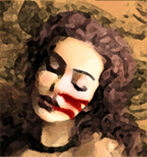
آواها
ولاديمير ناباكف
برگردان: ح ف
ولاديمير ناباكف
برگردان: ح ف
بستنِ پنجره لازم بود: باران به قرنيز كف پنجره مي خورد و پخش ميشد روي كف چوبي اتاق و صندليهاي بازودار. با آوايی سرخوش و سلیس ، خيالات سيمين بي انتها با شتاب از ميان باغ، از ميان شاخ و برگها، از ميان ريگهاي نارنجگون ميگذشتند. ناودان تلقتلق ميكرد و راهش گرفته ميشد. تو باخ مينواختي. پيانو بالِ لاكالكلياش را گشوده بود، زير بالش چنگي خوابيده بود و چكشهايي از ميان رشتههاي چنگ، موجگونه در حركت بودند. قاليچهي ابريشمين چينهاي خشن مي خورد مادام كه از انتهاي پيانو سر ميخورد و قطعهي موسيقي گشوده را روي كف اتاق مي چكاند. گاه به گاه از ميان جنون آنيِ فوگِ باخ حلقهي تو جلينگجلينگ ميكرد روي كليدها، مدام و بيوقفه، شكوهمندانه، رگبار ماه ژوئن شيشههاي پنجره را شلاق ميزد. و تو، بدون بازايستادن از نواختنات، و با نوسان آهستهي سرت، فرياد ميزدي، درست همگام با ضربهاي آهنگ: « باران، باران، ... من ميخواهم بر آن غلبه كنم...»
اما تو نميتوانستي.
با كنارزدن صفحههاي گرامافوني كه روي ميز بِمانِ تابوتهاي مخملين خوابيده بودند، من تماشايت ميكردم و به موسيقي گوش ميدادم، به باران. احساسي از تازگي همچون رايحهي ميخكهاي صدپرِ نمناكِ سربرآورده از درون من ميچكيد به همه جا، از قفسهها، از بال پيانو، از الماسهاي دوكمانند چلچراغ.
احساسي از سكون و آرامشي مستانه داشتم، چنان كه رابطهاي آهنگين ميديدم ميان اوهام سيمين باران و شانههاي خميدهي تو كه رعشه ميگرفتند وقتي كه انگشتانت را به درون چلچراغ موجدار فرو ميكردي. و وقتي من عميقن به درون خودم عقب مينشستم تمامي دنيا اينگونه مينمود: همگن، همخوان، در قيدِ قوانين هماهنگي. من خودم، تو، ميخكهاي صدپر، در آن لحظه همگي همآوايان عموديِ روي خطهاي حامل موسيقي شده بوديم، دريافتم كه همه چيز در دنيا تاثير يك به يك حرفهاي يكساني بودند دربرگيرندهي گونههاي ديگرگونهي همنواييها: درختان، آب، تو... همگي همبسته، همسنگ، الهي بوديد. تو بلند شدي. باران هنوز نور خورشيد را پايين ميآورد. چالهها همچون حفرههايي در دلِ ريگهاي تاريك مينمودند، روزنههايي به سوي بهشتهاي دیگری كه پيش از اين به زير زمين سر خورده بودند. روي يك نيمكت، درخشان همچون ظروف چينيِ دانماركي، خوشيهاي از يادرفتهات خوابيده بودند. رشته سيمهاي پيانو از بارانِ مدام به قهوهاي برگشته بودند، و قابها به شكل هشتِ انگليسي درآمده بودند.
وقتي وارد كوچهي باريك شديم، از آميزهي سايهها و رايحههاي پوسيدن قارچها كمي احساس سرگيجه كردم. من تو را به درون يك باريكهي نورِ اتفاقيِ آفتاب فرا خواندم. تو زانوهاي زننده و رنگپريده داشتي، و چشماني با نگاهي مبهم. وقتي سخن مي گفتي، مي خواستي هوا را با لبهي دستان كوچكات بشكافي با رخشش دستبندت روي مچِ باريكات. موهايت ميگداختند زماني كه با هواي روشن از فروغِ آفتاب كه پيرامون موهايت به رعشه درآمده بود، ميآميختند. تو زيادي سيگار ميكشيدي، عصبي، و همین كه خاكسترش را با تلنگري ميريختي، دودش را از راه حفرههاي بينيات بيرون ميدادي. ملك اربابي شما در پنج ورستي[i]ِ مال ما بود. درون آن پرانعكاس و باشكوه و مليح بود. عكسي از آن در مجلهي خوشنماي متروپاليتن به نمايش درآمده بود. ميشود گفت هر صبح، ميپريدم روي صندلي سه گوش چرمي دوچرخهام و با گذشتن از هر راهي صداي خشكِ خش و خشِ برگها را منجر ميشدم، از ميانِ درختان بعد در درازاي بزرگراه، و از ميان دهكده بعد در درازاي راهي ديگر به سوي تو. تو روي نيامدن همسرت در ماه سپتامبر حساب کرده بودی. و ما از هيچ چيز نميترسيديم، تو و من ـ بيهراس از بدگوييهاي پيشخدمت تو، بيهراس از بدگمانيهاي خانوادهي من. هريك از ما به گونهاي ديگر به سرنوشت اعتماد ميكرديم.
دوستداشتنِ تو كمي بيصدا بود، همچنانكه آواي تو اينگونه بود. شايد يكي بگويد تو گوشهچشمي دوست داشتي، و هرگز سخني دربارهي دوستداشتن نميگفتي. تو يكي از آن زنانِ از روي عادت كمحرف بودي، به خاطر آن سكوتي كه آدمي تنداتند به آن خو ميگيرد. اما گاه به گاه چيزي از درونت به بيرون فوران ميكرد. بعدش بِخشتاين[ii]ِ غولپيكرِ تو بمانِ تندر مي غريد وگرنه با ابهامي به روبرو خيره ميماند و تو برايم از حكايتي خندهدار ميگفتي كه از همسرت يا از همراهان نظامياش شنيده بودي. من دستانت را به ياد ميآورم ـ دستهاي كشيده، رنگپريده، با آن رگههاي آبيفام.
در آن روز سرخوش، كه باران شیشههای پنجره را شلاق ميزد و تو به گونهي شگفتيباري خوب مينواختي، سايهروشني از چيز محوي كه به گونهاي ناديدني بعدِ هفتههاي نخستينِ عشقمان ميان ما طلوع كرده بود به ما رو كرد. دريافتم كه تو هيچ غلبهاي بر من نداري، چرا كه تنها تو نبودي كه عاشق من بودي بلكه تمامي زمين عاشقام بودند. آنگونه كه انگار روح من به حسگرهاي حساس بيشماري گسترش يافته بود. و من درون هرچيزي زندگي ميكردم، ادراكِ همزمانِ آبشار نياگارا در حال غرش در ماورايِ دور اقيانوس و بارش قطرات طلايي پهن شده، چكهكنان و زمزمهكنان در باريكه راهِ كوچه، خيره شدم به پوست رخشان درخت غان و يكباره آن را به جاي بازوانم يافتم، به تسخيرشان درآورده بودم، شاخههاي شيب دار را پوشانده با برگهاي كوچكِ نمناك، و به جاي پاهايم، هزار ريشهي نازك و ظريف به هم تنيده درون زمين، در حال دركشيدن زمين. ميخواستم خودم را به درون تمام طبيعت ببرم، براي تجربهي آنچه كه همچون يك قارچِ بِلِتوسِ قديمي مينمود با پهلوي نرم زردرنگاش، يا براي تجربهي يك سنجاقك، يا تجربهي گوي آتشين آفتاب. بسيار احساس سرخوشي ميكردم كه يكباره خندهام گرفت و روي شانه و پشت گردنات را بوسيدم. حتا خواسته بودم شعري را بلند از خاطرم برايت بخوانم، اما تو از شعر بيزار بودي.
با لبخندهاي باريك خنديدي و گفتي: « اين بعد از باران خوب است.» سپس لحظهاي فكر كردي و افزودي: « ميداني، من درست به ياد ميآورم ـ من امروز به صرف چاي دعوت شده بودم به خانهی... اسمش چي بود... پال پاليچ[iii]. واقعن ملالآور بود. اما تو كه ميداني من بايد بروم.»
پال پاليچ از آشناهاي قديمي من بود. ما با هم در حال ماهيگري بوديم كه يكباره او با صداي زيرِ غژغژكنندهاي اينطور شروع كرد: « زنگهاي غروب ». من خيلي به او مشتاق بودم. قطرهاي گداخته از روي برگي درست توي لبهايم فرو افتاد. من ميل دارم همراهي ات كنم..
تو شانه بالا انداختي، آنجا ما تا مرز ديوانگي خسته و درگير ملال خواهيم بود. اين ترسناك است. به مچ دستت خيره شدي و آه كشيدي. زمان رفتن فرا رسيده، من بايد كفشهايم را عوض ميكردم. در تخت خواب محو و مهآلودت، اشعهي خورسيد رخنهكنان به چشمان كورهاي ونيزي، دو نردبامِ طلايي روي كف اتاق شكل داده بود. تو با آن آواي بيصدايت چيزي گفتي. آن برِ پنجره، درختان نفس ميكشيدند و با صداي خش و خشي خشنود، نمنمِ باران را ميچكاندند. و من، در حال خنده به آن خشخش، با خونسردي و بياشتياق در آغوش گرفتمات.
جريان از اين قرار بود. گردشگاه شما، چمنزار شما، در يك سوي رودخانه بود و در سوي ديگر دهكده قرار داشت. بزرگراه در بعضي جاها شيارهاي عميقي برداشته بود. مرداب، بنفشه زارِ شادابي بود، و در شكاف ميان بنفشهها، آبي، شبيهِ شيرقهوهي حبابدار نمايان بود. سايههاي كجكيِ كندههاي سياهسوختهي درختان، با صراحت خاصي گسترده بودند. ما از توي سايه در امتدادِ يك مسير لگدمالشده قدمزنان ميرفتيم، از كنار يك خوار و بار فروشي گذشتيم، از كنار يك مهمانخانه با يك تابلويِ زمردي، از كنار حياتهاي آفتابگير كه رايحهي كودهاي كشاورزي و بوي يونجهي تازه از خود ساتع ميكردند.
ساختمان مدرسه نو بود، ساخته شده از سنگ، با افراهايي كه دورتادورش را گرفته بود. در آستانهي مدرسه گوسالههاي سپيد زني روستايي سوسو ميكردند مادام كه او داشت پارچهي ژندهاي را درون يك سطل ميچلاند.
تو پرسيدي « پال پاليچ هست ؟» زن با صورت ككمكي و موهاي روبانبسته، با چشمان نيمهبازش رو به آفتاب جواب داد: « اوناها، اوناها.» سطل تلقتلق ميكرد وقتي كه زن آن را با پاشنههايش هل ميداد. « بياييد تو خانم. آنها بايد در كارگاه باشند.»
ما با تلق و تلوق كفشهايمان در امتداد تالار وروديِ تاريكي روانه شديم، بعد روانه يك كلاس باز و فراخ شديم. در حال ردشدن چشمم به يك نقشهي لاجوردي افتاد، و با خودم فكر كردم، همين است كه تمام روسيه آفتابگير و فريبنده است... در يك گوشه، تكههاي گچِ لگدمالشده چشمك ميزدند. كمي دورتر، در كارگاهِ كوچك، بوي لذتبار سريشمِ نجاري و خاكارهي كاج هوا را آكنده بود. ساق چپاش، بيپوشش، پفكرده و خيس عرق، پهن بود. پال پاليچ از سر شوق با تختهسفيدِ فرسوده ورميرفت. سرِ بيمو و نمناكش در اشعهي غبارآلودي از نور آفتاب عقب و جلو ميرفت. در كف كارگاه زيرِ ميزِ كار، تراشههاي چوب بمانِ موهاي نرم و نازك پيچ ميخوردند.
با صداي بلند گفتم: « پال پاليچ شما مهمان داريد.»
يكه خورد، دستپاچه شد، يك ماچ مودبانه ارزاني دست تو كه با ژستي آشنا و با بيميلي پيش آورده بودي كرد، و همچون هميشه، انگشتان نمورش را توي دستم چپاند و تكاني به آن داد. انگار كه چهرهاش را با گل رسِ روغني سرشته بودند، با خمودگيها و چين و چروكهاي غير منتظره.
با خندهاي گناهكارانه گفت: «ميبخشيد، من لباس به تنم نيست، ميدانيد كه.» و چنگ انداخت به تكهاي از آستينهاي پيراهني كه همچون استوانههايي پهلو به پهلوي هم روي قرنيز كف پنجره ايستاده بودند و با شتاب آنها را پا كرد. با برقابرقِ دستبندت پرسيدي: « روي چي كار ميكنيد؟» پال پاليچ توي ژاكتاش با حركتي فراگير كشمكش ميكرد. « هيچ چي، فقط از سر بيكاري.» تند و دستپاچه حرف ميزد و كمي روي صامتهاي لبي لكنت داشت. شبيه يك قفسهي كوچك بود. « هنوز تمام نشده. هنوز بايد بهش سمباده و لاكالك بزنم. اما يك نگاهي بهش بكنيد. من صداش ميكنم چابك ... » با كف دستان به هم چسباندهاش با حركتي شبيه حركت نخريسي يك هليكوپتر مينياتوري چوبي را به پرواز درآورد كه با صداي وزوزي در اوجِ پرواز تكانهاي تندي ميخورد و سرآخر هم سقوط كرد.
سايهي لبخندي مودبانه سراسر چهرهات را درنورديد.
« اوه، منِ احمق»
پال پاليچ دوباره شروع كرد: « دوستان من شما در طبقهي بالا انتظار مرا ميكشيديد... اين در غژغژ ميكند. مرا میبخشید. بگذاريد اول من بروم. من هول شدم، آخر اينجا خيلي به هم ريخته است. »
همين كه ما شروع به بالارفتن از راهپلهي غژغژكنان كرديم تو به انگيسي گفتي : « فكر ميكنم او فراموش كرده كه مرا دعوت كرده.» من از پشت تماشايت ميكردم، قطعهاي ابريشمين پيراهنت را. از جايي در زير پلهها، شايد از حياط، صداي طنيندار زني روستايي آمد: گروسيم[iv]! هي گروسيم! و ناگهان به شدت برايم روشن شد كه در طي قرنهاقرن، جهان شكوفا شده بود، پژمرده شده بود، به هم تابيده بود، به تنهايي دگرگون شده بود تا اينكه حالا، در اين لحظه، شايد آميخته و گداخته ريخته بود به درون همخواني عمودي صدايي كه زير پلهها طنينانداخته بود، لرزش سرشانههاي ابريشمين تو، و بوي خوش تختهچوبهاي كاج.
اتاق پال پاليچ آفتابي و قدري گرفته بود. فرش سرخي كه شيري طلايي در ميانهاش گلدوزي شده بود به ديوار بالاي تختخواب ميخ شده بود. روي ديوار ديگري، پارهاي از آنا كارنين[v]، قابگرفته و آويخته بود، طوري كه الگوهاي تاريك و روشنِ حروف چاپي با قراردهي هوشمندانهاي از خطوط، چهرهي تولستوي را شكل ميداد. در حين اينكه ميزبان ما دستهايش را از روي خوشي به هم ميساييد، تو را روي صندلي نشاند. همين كه اين كار را كرد، گرامافون روي ميز را با اشارهي گوشهي ژاكتاش از كار انداخت. بعد برش گرداند به حالت اول. چاي، ماست، و مقداري بيسكوييت بيمزه ديده ميشدند. از توي كشوي كمد، پال پاليچ يك قوطيِ گلگلي شكلات تختهايِ لندرين بيرون آورد. وقتي كه خم شد، نمايي از پوست كركدار دور گردنش برجسته شد. پايينِ تار عنكبوتي روي لبهي پنجره يك زنبور زرد مرده به چشم ميخورد. به يكباره در حالي كه صفحهي روزنامهاي را كه با خونسردي از روي يك صندلي برداشته بودي، به خش و خش درميآوردي، پرسيدي: « سارايوو كجاست ؟ »
پال پاليچ در حالي كه داشت چاي ميريخت، پاسخ داد: « در سربياست.»
و با دستهاي لرزاناش، با احتياط، فنجاني با پايهي نقره را كه بخار ازش بلند ميشد به دستِ تو داد. « پيدايش كردم. ممكن است كمي بيسكوييت به شما پيشنهاد كنم؟...»
« و آنها براي چي بمب مياندازند ؟»
پال پاليچ شانه بالا انداخت و مرا نشان داد. براي صدمين بار يك وزنهيِ شيشهايِ خيلي بزرگ را وارسي كردم. وزنهيِ شيشهاي پس زمينهي صورتي نيلگون داشت و كليساي جامع سنت ايزاك با دانههاي شني زرين آذين شده بود. خنديدي و با صداي بلند خواندي، « ديروز، سوداگري از اتحاديهي دوم به نام يِرونيش[vi] در كافه كويزيزانا دستگير شده. نتيجه اينكه يرونيش به بهانهيِ ...» تو باز خنديدي:« نه، بيخيالي شرمآوره.»
پال پاليچ داشت سراسيمه ميشد، صورتش با تهرنگي قهوهاي رو به سرخشدن گذاشته بود. قاشقش را انداخت. برگهاي افرا به يكباره در كنار پنجره شروع به درخشيدن كردند. ارابهاي تلقتلقكنان ميگذشت. از جايي نامعلوم صدايي نازك و سوزناك ميآمد: بستني !
او شروع به صحبت دربارهي مدرسه كرد، دربارهي مستي، دربارهي قزلآلايي كه در رودخانه پديدار شده بود. من شروع كردم به وارسي او، چنان احساسي داشتم كه انگار واقعن براي اولين بار او را ميديدم، گرچه ما آشناهاي قديمي بوديم. تصويري از او از اولين رويارويي ما، بايد اثري روي ذهنِ من گذاشته باشد كه هرگز تغيير نكرده است. همچون چيزي كه آن را ميپذيريم و كمكم بدل به عادتي در ما مي شود. وقتي به گونهاي گذرا به پال پاليچ فكر ميكردم، به دلايلي اين احساس را داشتم كه او نه تنها يك سبيل جوگندمي داشت بلكه حتا تهريشي به همان رنگ هم داشت. يك ريشِ خيالي ويژگي صورتهاي روسيِ بسياري است. حالا، با دادن چهرهاي ويژه به او، البته اگر بتوان چنين چيزي گفت، با چشمي دروني ميديدم كه درواقع چانهي او گرد و بيمو بود و چاكي محو به دو نيماش كرده بود. يك بيني فربه داشت و من روي پلكِ چپاش خالِ گوشتيِ جوشمانندي ميديدم، با اشتياقِ شديدي دوشت داشتم اين تصوير را قطع كنم ـ اما قطعكردن به معني كشتن بود. آن دانهي كوچك، به تمامي با جلوهي خاصي او را در بر ميگرفت، وقتي من همهي اينها را فهميدم، و همه چيزِ او را وارسي كردم، كوچكترينِ تكانها را به خودم دادم، انگار سقلمهاي كه به روحم زده شده بود و آن را رو به پايين لغزانده و سرانده بود به درون پال پاليچ، مرا در درون او آسوده كرده بود و اگر گفتناش درست باشد به احساسي از درون وادارم كرده بود، آن اثر روي پلكهاي چيندارش، يقههاي آهارزدهيِ پيراهنش و خزيدنِ تنداتند از ميان ديدِ عريانش. من تمامي او را با چشمان زلال و سيال وارسي كردم. شير طلاييِ بالاي تختخواب، حالا، به چشمم يك آشناي قديمي ميآمد، انگار كه از بچگي روي ديوار اتاق من آويخته بوده. كارت پستالهاي رنگي، محصور در شيشههاي محدبشان، شگفتيبار و شاداب و شادمان شده بودند. اينگونه نبود كه تو روبروي من مينشستي، در صندليِ دستهدار تركهاي وارفتهاي كه پشت من به آن خو گرفته بود، كسي نبود مگر خانم نيكوكار مدرسه، بانوي كمحرف و با وقار كه من به سختي ميشناختم اش. و به يكباره با سرخوشي و سبكي يكساني از حركت، من به درون تو هم خراميدم، و روباني را ديدم كه بالاي زانوهايت بندِ جورابات كرده بودي، كمي بالاتر تحريك پارچهي پاتيس[vii]، و اين فكر كه دهكدهي شما ملالآور است، زيادي گرم است، طوري كه آدم دلش سيگار ميخواهد. در آن لحظه تو روكشي طلايي از كيفات درآوردي و سيگاري به چوبسيگارت بند كردي. و من درون هر چيزي بودم ـ تو، سيگار، چوب سيگار. پال پاليچ در حال تقلاي ناشيگرانهاي با چوبكبريتاش، با وزنهي شيشهاي و با زنبور مردهي روي لبهي پنجره بود.
سالهاي بسياري سپري شده، و من نميدانم در حال حاضر او كجاست. پال پاليچِ كمرو و بادكرده. يكوقتهايي گرچه آخرين چيزي است كه من دربارهاش فكر ميكنم، در رويايي او را ميبينم، انتقال يافته به حال و هواي وجود فعليام، با حالتي خردهگير و خندان وارد اتاقي ميشود، پاناما[viii]يِ محو و ازبينرفته در دستانش. هنگام قدمزدن دولا ميشود. عرقِ سر برهنه و گردن سرخاش را با دستمالي بسيار بزرگ پاك ميكند. و وقتي من خوابش را ميبينم تو همواره خوابهايم را در مينوردي، به كندي، با روپوشِ ابريشيمي كمرباريكي به تن.
در آن روزِ به گونهي شگفتيباري شاد، من پرحرفي نكردم. تكههاي ليز قزلآلا را قورت ميدادم و ميكوشيدم تا هر صدايي را بشنوم. وقتي پال پاليچ ساكت ميشد من ميتوانستم اشتياق و اشتهاي معدهاش را بشنومـ يك جيغ شادمانه، و در ادامهي آن صداي قلپ قلپي نازك. از اين رو با ژست سخنراني گلويش را صاف ميكرد و با شتاب آغاز به صحبت دربارهي چيزي ميكرد. لكنتكنان، سردرگمِ واژهاي درست، اخم ميكرد و با انگشتانش روي ميز ضرب ميگرفت. تو لم داده بودي به يك صندليِ بازودار كوتاه، ساكت و بياحساس. با بياعتنايي سرت را برگرداندي و آرنج استخوانيات را بلند كردي. همان آن كه داشتي از پشت به موهايت گلِ سر ميزدي از زير مژگانت چشم انداختي به من. تو فكر ميكردي، من در برابر پال پاليچ احساس دستپاچگي ميكردم از آنجا كه تو و من با هم رسيده بوديم، او شايد كورهخبري دربارهي رابطهي ما داشت و من ماتِ اين كه تو غرق اين فكر بودي بودم، و مات و مبهوتِ اين حالت ماليخوليايي و تيره و تار: سرخشدنِ پال پاليچ وقتي كه تو عمدن همسرت و كارش را يادآور ميشدي.
روبروي مدرسه، اخرايِ گرم خورشيد در كنار افراها ميدرخشيد. پال در آستانه دولا شد، به نشانهي احترام به ما كه سرزده آمده بوديم، يك بار ديگر در راهرو دولا شد، روي ديوار بيروني دماسنجي سپيدـ بلوري برق ميزد.
وقتي ما دهكده را ترك كرديم، از روي پل رد شديم و مسيري را به طرف خانهي شما بالا رفتيم، من از زير بازويت گرفته بودم و تو با آن خندهي يكبريِ خاص خودت بهم گفتي كه خوشحالي. ناگهان هوس كردم كه از چين و چروكهاي كوچك پال پاليچ به تو بگويم، دربارهي سنت ايزاك پولكدوزي شده. اما همين كه شروع كردم احساس كردم كه واژگان نادرست، به سويم هجوم ميآوردند واژگان غريب و نامانوس و وقتي كه تو از روي دلسوزي گفتي « تباه» من موضوع را عوض كردم. من ميدانستم تو به چه چيزي نياز داشتي: احساساتِ ساده، واژگانِ ساده. سكوت تو بيتقلا و بي صدا بود. بمان سكوتِ ابرها يا سكوت گياهان. تماميِ سكوت شناسايي يك راز است. دربارهي تو چيزهاي بسياري بود كه رمزآلود مينمود. كارگري با پيراهني پفكرده، به گونهاي طنينانداز و با جديت داشت داساش را تيز ميكرد. پروانهها بالاي گلهاي دِرونشدهي نكبتي معلق بودند. در امتداد مسير، دختري با يك شالِ سبزِ رنگپريده روي شانههايش، و با گلهاي داووديِ روي موهاي تيرهاش از روبرو ميآمد. من پيش از اين او را سه بار يا بيشتر ديده بودم، و گردن باريك و برهنهاش در ذهنم نقش بسته بود. زماني كه از كنار ما رد شد، با چشمان كجكيِ برهنهاش تو را لمس كرد. بعد، از آبروِ كنار راه با دقت و احتياط بسيار گذشت و كنار درختان توسكا ناپديد شد. رعشهاي نقرهفام به تار و پود ماتِ شاخ و برگ پاشيد. گفتي: « من حتم دارم كه آن دختر به تنهايي يك پيادهروي عالي در پارك من داشته است.» همين بود كه من از اين گردشگران نفرت داشتم. يك سگ خانگي، ماده سگي پير و فربه به دنبال صاحبش تاتيكنان ميآمد. تو سگها را ميپرستيدي. سگ كوچك با گوشهاي خوابانده، روي شكماش به سوي ما وول ميخورد. داشت زير آن دستت كه پيش آورده بودي چرخ ميزد و زير شكم ميخكياش را كه خالهاي خاكستري رويش نقش بسته بود نشان مي داد. تو با صداي خاص نوازشگرـبرآشوبندهات گفتي: «واي چقدر تو دلبري ميكني.»
مادهسگ، مدتي به دور خودش غلتيد، يك پارس ظريف و كوچك كرد و تاتيكنان از ميان آبراه دررفت. زماني كه ما به دروازهي كوتاه پارك نزديك مي شديم، تو هوس كردي سيگار بكشي، اما بعد از زير و رو كردن كيف دستيات، به نرمي گفتي: چقدر احمقام من. چوبسيگارم را آنجا جا گذاشتم. و شانهي مرا لمس كردي. «عزيزم ميري برام بياريش وگرنه من نميتونم سيگار بكشم.» همين كه مژگان لرزان و خندهي كوچكات را مي بوسيدم خنديدم.
تو از پي من داد زدي: فقط زودتر! من به دو، راهي شدم، نه به اين خاطر كه عجلهاي در كار بود بلكه براي اينكه هرچيزي پيرامون من در حال دويدن بود ـ رنگينكمانِ شاخ و برگها، سايهي ابرها روي گياهان نمناك، گلهاي ارغواني، سراسيمهي برگهايشان توي آبراهه، رو به روشنايي ماشين چمنزني.
حدود ده دقيقه بعد، از نفسافتاده، پلههاي ساختمان مدرسه را بالا مي رفتم. درِ قهوهاي را با مشت كوبيدم. از توي اتاق جيغ يك فنر تخت خواب آمد. دستگيره را چرخاندم، اما در قفل بود. صدای لرزان پال پاليچ آمد: كي اونجاست؟
فرياد زدم:« زود باش ديگه، بِگذار بيام تو ! » فنر تختخواب دوباره صداش درآمد، و در ادامه صدای پاهايي بدون پاپوش. « براي چي خودت رو اون تو حبس كردي پال پاليچ؟» بيوفقه نگاهم به چشمان سرخش افتاد. « بيا تو...بيا تو... از ديدنت خوشحالم. من خواب بودم ديدي كه. بيا تو ديگه.» در حالي كه سعي ميكردم نگاهم به او نيفتد گفتم: « ما چوب سيگارمان را اينجا جا گذاشتيم.» تا دست آخر لولهاي با لعاب سبز از زير صندلي بازودار پيدا كرديم. چپاندماش توي جیبام. پال پاليچ داشت توي دستمالش ترومپت ميزد، همين كه سنگيني بدنش را ميانداخت روي تخت، ناگهان گفت: « اون يك شخص تعجب برانگيزه.» آهي كشيد و كجكي نگاهم كرد. « چيزي دربارهي زنان روسي هست، يك ويژگي» پال پاليچ همهي چينهاي صورتش را بالا انداخت و پيشانياش را پاك كرد. « يك ويژگي»ـ نالهاي نجيبانه از خودش ساتع كرد. ـ « روح خودقربانيگري.چيزي والاتر از اين در دنيا وجود ندارد. آن ظرافتِ فراعادت، روح والايِ فراعادتِ خودقربانيگري. دستانش را نزديك سرش برد و تن به خندهاي تغزلي داد.
« فراعادت...» مدتي سكوت كرد و بعد پرسيد، البته با لحني ديگرگونه، لحني كه اغلب مرا به خنده ميانداخت، « و چه چيز ديگري هست كه بايد به من بگويي، دوست من؟ » در حال گفتن چيزهايي آكنده از حرارت، چيزهايي كه او نياز به شنيدنشان داشت، احساسي بمانِ بغلكردنش داشتم: « تو بايد بروي قدم بزني پال پاليچ، چرا خودت را افسرده میکنی توی اين اتاق دلگير؟ » او موجي موهن به دست داد. « من همهي آن چيزهايي را كه قرار بر ديدنشان هست ديدهام. تو با اين حرفهات كاري نميكني مگر اينكه به تمامي اينجا را از حرارت مياندازي...» چشمهاي پفكردهاش را پاك كرد و سبيلاش را با حركتِ رو به پايين دستهايش تاب داد. « شايد امشب بروم ماهيگيري» خال جوشمانندِ روي پلك چينخوردهاش درهم رفت. يكي بايد ازش میپرسید، « پال پاليچ عزيز، چرا همين حالا با صورت فرو برده توي بالش خواباندي خودت را؟ چرا گريه ميكني در روزي همچون امروز، با اين آفتاب نازنين و چالههای آكنده از آب باران، آن بيرون...»
خيرهي گيلاسهاي از ياد رفته، تولستوي بازسازيشده با حروف چاپي، و خیرهی آن پوتينهاي زیر میز با گرههاي گوشمانند، گفتم: « خوب من بايد بروم پال پاليچ،».
دو تا حشره روي كف قرمز اتاق نشستند. يكي پريد روي ديگري. ويز ويز كردند و از هم گريختند. پال پاليچ با بازدمي آهسته گفت: « رنجشي در كار نيست،» به سرش تكاني داد. « من ميسوزم و ميسازم، تو برو، نگذار پيش خودم نگهات دارم.»
من دوباره در امتداد مسير، پهلو به پهلوي درختان توسكا ميدويدم. احساس ميكردم غرق در اندوه ديگري شدم، كه با اشكهاي او گداخته بودم. احساسم از آنْ شادمانهها بود، كه به ندرت از آن پس چنان تجربههايي داشتهام. در چشمانداز درختان خموده، دستپوشي سوراخ، چشم يك اسب. شادمانه بود از آنجا كه جرياني بود همآوا. شادمانه بود چنان كه هر حركتي يا هر تابشي شادمانه بود. براي اولين بار من تكهتكه شده بودم به هيئت يك ميليون هستنده و ماده. من امروز يكي هستم، شايد فردا دوباره متلاشي شوم. تا زماني كه هر چيزي در جهان سرازير شود، زير و بم شود. آن روز من روي تاج يك موج بودم. ميدانستم كه تمامي احاطهكنندگانم نتهاي يك آهنگ بودند، همخواني بودند، همساني بودند، ... ميداني... به گونهاي نهاني...براي يك لحظه سرچشمه و ارادهي ناگزير آواها گرد هم آمدند، و همآوايي تازهاي كه ميخواست آبستنِ هر نتِ پخش و پراكندهاي باشد. گوش موسيقايي روحم، هر چيزي را ميفهميد و درك ميكرد.
مرا در بخش سنگفرششدهي باغ ديدي، پهلو به پهلوي ايوان، و نخستين واژگان تو اينها بودند: « وقتي من نبودم، همسرم از شهر تماس گرفته. ساعت ده ميآيد. بايد اتفاقي افتاده باشد. شايد انتقالش دادهاند. پرندهاي شبيه يك پيچش نيليـ خاكستري، از ميان ريگها ميجست. يك مكث، تو يا سه جهش، مكث بيشتر و جهشهاي بيشتر. پرنده، چوبسيگار توي دستم، واژگان تو، برق خورشيد روي لباس تو... طور ديگري نميتوانست باشد.»
با درهم كردن ابروهايت گفتي: « ميدانم به چي فكر ميكني، داري فكر اين را ميكني كه نكند كسي چيزي به او بگويد و از اين حرفها. اما هيچ فرقي نميكند. تو مي داني كه من...»
من راست به صورتات نگاه ميكردم. با تمام روحم، يكراست نگاه ميكردم. برخوردم به تو. چشمانت روشن و زلال بودند، انگار كه غشاي نازك يك ورق ابريشميـ شبيه رویهی كتابهاي گرانبهاـ ميلرزاندشان و براي اولين بار، صداي تو بسيار شفاف بود. « تو ميداني كه من چه تصميمي گرفتهام؟ گوش كن. من بدون تو نميتوانم زندگي كنم. اين درست همان چيزي است كه من به او خواهم گفت. او بيدرنگ، مرا ترك خواهد كرد و بعد با آهنگ افتان خواهد گفت، ما ميتوانيم...»
من با سكوتم حرفات را قطع كردم. همچنانكه به آرامي در حركت بودي، ذرهاي از اشعهي خورشيد از روي دامنات لغزيد روي ريگها.
چه ميتوانستم به تو بگويم؟ ميتوانستم آزادي را، اسارت را احضار كنم، ميتوانستم بگويم من آنقدر كه بايد دوستت ندارم؟ نه، همهي اين حرفها اشتباه بودند. لحظهاي گذشت. در طي آن لحظه، خيلي چيزها در جهان رخ داده بود: در جايي، يك كشتي بخار غولپيكر به ته دريا رفته بود، جنگي آغاز شده بود، نابغهاي زاده شده بود. آن لحظه ديگر رفته بود.
گفتم: « چوبسيگارت اينجاست، زير صندلي بازودار بود. ميداني وقتی كه من وارد شدم، پال پاليچ بايد ...»
گفتي: « خيلي خوب. حالا ممكن است اينجا را ترك كني.» آنوقت برگشتي و از پلهها بالا رفتي. دستگيرهي در شيشهاي را گرفتي، اما نتوانستي يكباره بازش كني. حتمن خيلي برايت دردناك بوده.
در ميان آن نمناكي شيرين مدتي در باغ ايستادم. بعد، دستانم تا عمق جیبهایم فرو رفتند، در امتداد ريگهاي پراكنده، پيرامون خانه به قدمزدن پرداختم. در دالان روبرو، دوچرخهام را يافتم. لميده به شاخكهاي ميلهي دستگيره. در امتداد باريكه راهِ پارك چرخي زدم. وزغها اينجا و آنجا خوابيده بودند. سهواٌ از روي يكي رد شدم. صداي تركيدن زير چرخ. در انتهاي باريكهراهِ پارك نيمكتي قرار داشت. دوچرخه را به تنهي درختي تكيه دادم و نشستم روي نيمكت سفيد. در اين فكر بودم كه چطور در طي جفت روزهاي آينده، نامهاي از تو دريافت كردم. تو با اشاره فرا ميخوانديام. و من نميخواستم برگردم. خانهي شما، به فاصلهاي شگفتانگيز و سودازده با پيانوي بالدارش، به فاصلهاي با مجلدهاي گرد و غبار گرفتهي مجلهي هنر، به فاصلهاي با نيمرخها در قابهاي گِردشان لغزيده بود. از دستدادنِ تو گوارا بود. درحالي كه در را با شتاب به طرف خودت ميكشيدي به حالت خلسه افتادي. اما تفاوتي بود كه تو را رهسپار راه ديگري ميكرد، در حال گشودن چشمان رنگپريدهات در سايهي بوسههاي سرخوشانهي من.
تا غروب همانجا نشستم. آدم كوچولوها، چنان كه انگار با نخهاي نامريي كشيده ميشدند تنداتند بالا و پايين ميپريدند. ناگهاني، در جايي نزديك، از وجود لكههاي روشني آگاه شدم، اين لباس تو بود و اين خود تو بودي.
آيا لرزش نهايي ناپديد نشده بود؟ از اين رو، نگران اين بودم كه تو دوباره اينجا بودي، در جايي به چشمنيامدني، فراسوي ميدان ديد من، تو در حال قدم زدن، در حال نزديكشدن بودي. با تقلا چهرهام را برگرداندم. اين تو نبودي بلكه آن دختر با شال سبز بود، همان كه من اتفاقي به او برخورده بودم، يادت مانده؟ و آن مادهسگاش را با شكم خنده آورش؟
قدم زنان از شكافهاي ميان شاخ و برگ درختان گذشت، و از روي پل كوچكي به سوي يك دكهي كوچك با شيشههاي رنگي روانه شد. دخترك خسته شده بود، در ميانهي گردشگاه شما پرسه ميزد؛ شايد آرام آرام طرح آشنايياي با او بريزم.
آهسته برخاستم، به آهستگي از پاركِ بي حركت به سوي جادهي اصلي روانه شدم، درست به درون يك غروب بيكران، و در گوشهي دورافتادهي يك پيچ، درشكهاي گير آوردم. درشكهچيِ شما بود، سيمون، در حال يورتمه راندن به سوي ايستگاه. وقتي مرا ديد، به آرامي كلاهش را برداشت، طرههاي شيشهايِ پشت گردناش را كه صاف كرد، دوباره كلاهش را سر كرد. فرش لبه راهراهي زير نشيمنگاهش تاخورده بود. بازتاب فريبندهاي در چشم اسبِ اختهي تيره درخشيد. و وقتي كه من با ركابهاي بيحركت به سوي رودخانه سرازير شدم، از روي پل، پاناما را ديدم، و شانههاي گرد پال پاليچ را، نشسته در زير پرتوافكني نور حمام، با يك چوب ماهيگيري به دست.
با دستان گرهكرده به نردهها، يكباره از حركت ايستادم.
« هي، هي، پال پاليچ! آنها چه طوري قلاب را به دهن ميگيرند؟ » رو به بالا نگاه كرد، و اشارهاي خوب و خودماني به دست داد.
خفاشي به تندي بر فراز سطح آينهايِ سرخ رنگي از جا جست. بازتاب شاخوبرگها به يك توري سياه ميمانست. پال پاليچ، دورادور، فريادهايي سر ميداد، با اشارهي دستانش چيزهايي ميگفت. يك پال پاليچ ديگر در موجهاي مرده دستوپا ميزد، بلندابلند ميخنديد، من از نردهها دور شدم.
در امتداد مسيرِ به شدت فشرده، در چين و شكني بيصدا از ايسباس گذشتم. از ميان هواي گرفته، صداي ماغكشيدن گاوها ميآمد؛ بازيهايي پر از هياهو در جريان بود. جلوتر، در بزرگراه در پهنهي فراگير غروب، در ميان ميدانهاي بيصدا مهگرفته، سكوت بود.
اما تو نميتوانستي.
با كنارزدن صفحههاي گرامافوني كه روي ميز بِمانِ تابوتهاي مخملين خوابيده بودند، من تماشايت ميكردم و به موسيقي گوش ميدادم، به باران. احساسي از تازگي همچون رايحهي ميخكهاي صدپرِ نمناكِ سربرآورده از درون من ميچكيد به همه جا، از قفسهها، از بال پيانو، از الماسهاي دوكمانند چلچراغ.
احساسي از سكون و آرامشي مستانه داشتم، چنان كه رابطهاي آهنگين ميديدم ميان اوهام سيمين باران و شانههاي خميدهي تو كه رعشه ميگرفتند وقتي كه انگشتانت را به درون چلچراغ موجدار فرو ميكردي. و وقتي من عميقن به درون خودم عقب مينشستم تمامي دنيا اينگونه مينمود: همگن، همخوان، در قيدِ قوانين هماهنگي. من خودم، تو، ميخكهاي صدپر، در آن لحظه همگي همآوايان عموديِ روي خطهاي حامل موسيقي شده بوديم، دريافتم كه همه چيز در دنيا تاثير يك به يك حرفهاي يكساني بودند دربرگيرندهي گونههاي ديگرگونهي همنواييها: درختان، آب، تو... همگي همبسته، همسنگ، الهي بوديد. تو بلند شدي. باران هنوز نور خورشيد را پايين ميآورد. چالهها همچون حفرههايي در دلِ ريگهاي تاريك مينمودند، روزنههايي به سوي بهشتهاي دیگری كه پيش از اين به زير زمين سر خورده بودند. روي يك نيمكت، درخشان همچون ظروف چينيِ دانماركي، خوشيهاي از يادرفتهات خوابيده بودند. رشته سيمهاي پيانو از بارانِ مدام به قهوهاي برگشته بودند، و قابها به شكل هشتِ انگليسي درآمده بودند.
وقتي وارد كوچهي باريك شديم، از آميزهي سايهها و رايحههاي پوسيدن قارچها كمي احساس سرگيجه كردم. من تو را به درون يك باريكهي نورِ اتفاقيِ آفتاب فرا خواندم. تو زانوهاي زننده و رنگپريده داشتي، و چشماني با نگاهي مبهم. وقتي سخن مي گفتي، مي خواستي هوا را با لبهي دستان كوچكات بشكافي با رخشش دستبندت روي مچِ باريكات. موهايت ميگداختند زماني كه با هواي روشن از فروغِ آفتاب كه پيرامون موهايت به رعشه درآمده بود، ميآميختند. تو زيادي سيگار ميكشيدي، عصبي، و همین كه خاكسترش را با تلنگري ميريختي، دودش را از راه حفرههاي بينيات بيرون ميدادي. ملك اربابي شما در پنج ورستي[i]ِ مال ما بود. درون آن پرانعكاس و باشكوه و مليح بود. عكسي از آن در مجلهي خوشنماي متروپاليتن به نمايش درآمده بود. ميشود گفت هر صبح، ميپريدم روي صندلي سه گوش چرمي دوچرخهام و با گذشتن از هر راهي صداي خشكِ خش و خشِ برگها را منجر ميشدم، از ميانِ درختان بعد در درازاي بزرگراه، و از ميان دهكده بعد در درازاي راهي ديگر به سوي تو. تو روي نيامدن همسرت در ماه سپتامبر حساب کرده بودی. و ما از هيچ چيز نميترسيديم، تو و من ـ بيهراس از بدگوييهاي پيشخدمت تو، بيهراس از بدگمانيهاي خانوادهي من. هريك از ما به گونهاي ديگر به سرنوشت اعتماد ميكرديم.
دوستداشتنِ تو كمي بيصدا بود، همچنانكه آواي تو اينگونه بود. شايد يكي بگويد تو گوشهچشمي دوست داشتي، و هرگز سخني دربارهي دوستداشتن نميگفتي. تو يكي از آن زنانِ از روي عادت كمحرف بودي، به خاطر آن سكوتي كه آدمي تنداتند به آن خو ميگيرد. اما گاه به گاه چيزي از درونت به بيرون فوران ميكرد. بعدش بِخشتاين[ii]ِ غولپيكرِ تو بمانِ تندر مي غريد وگرنه با ابهامي به روبرو خيره ميماند و تو برايم از حكايتي خندهدار ميگفتي كه از همسرت يا از همراهان نظامياش شنيده بودي. من دستانت را به ياد ميآورم ـ دستهاي كشيده، رنگپريده، با آن رگههاي آبيفام.
در آن روز سرخوش، كه باران شیشههای پنجره را شلاق ميزد و تو به گونهي شگفتيباري خوب مينواختي، سايهروشني از چيز محوي كه به گونهاي ناديدني بعدِ هفتههاي نخستينِ عشقمان ميان ما طلوع كرده بود به ما رو كرد. دريافتم كه تو هيچ غلبهاي بر من نداري، چرا كه تنها تو نبودي كه عاشق من بودي بلكه تمامي زمين عاشقام بودند. آنگونه كه انگار روح من به حسگرهاي حساس بيشماري گسترش يافته بود. و من درون هرچيزي زندگي ميكردم، ادراكِ همزمانِ آبشار نياگارا در حال غرش در ماورايِ دور اقيانوس و بارش قطرات طلايي پهن شده، چكهكنان و زمزمهكنان در باريكه راهِ كوچه، خيره شدم به پوست رخشان درخت غان و يكباره آن را به جاي بازوانم يافتم، به تسخيرشان درآورده بودم، شاخههاي شيب دار را پوشانده با برگهاي كوچكِ نمناك، و به جاي پاهايم، هزار ريشهي نازك و ظريف به هم تنيده درون زمين، در حال دركشيدن زمين. ميخواستم خودم را به درون تمام طبيعت ببرم، براي تجربهي آنچه كه همچون يك قارچِ بِلِتوسِ قديمي مينمود با پهلوي نرم زردرنگاش، يا براي تجربهي يك سنجاقك، يا تجربهي گوي آتشين آفتاب. بسيار احساس سرخوشي ميكردم كه يكباره خندهام گرفت و روي شانه و پشت گردنات را بوسيدم. حتا خواسته بودم شعري را بلند از خاطرم برايت بخوانم، اما تو از شعر بيزار بودي.
با لبخندهاي باريك خنديدي و گفتي: « اين بعد از باران خوب است.» سپس لحظهاي فكر كردي و افزودي: « ميداني، من درست به ياد ميآورم ـ من امروز به صرف چاي دعوت شده بودم به خانهی... اسمش چي بود... پال پاليچ[iii]. واقعن ملالآور بود. اما تو كه ميداني من بايد بروم.»
پال پاليچ از آشناهاي قديمي من بود. ما با هم در حال ماهيگري بوديم كه يكباره او با صداي زيرِ غژغژكنندهاي اينطور شروع كرد: « زنگهاي غروب ». من خيلي به او مشتاق بودم. قطرهاي گداخته از روي برگي درست توي لبهايم فرو افتاد. من ميل دارم همراهي ات كنم..
تو شانه بالا انداختي، آنجا ما تا مرز ديوانگي خسته و درگير ملال خواهيم بود. اين ترسناك است. به مچ دستت خيره شدي و آه كشيدي. زمان رفتن فرا رسيده، من بايد كفشهايم را عوض ميكردم. در تخت خواب محو و مهآلودت، اشعهي خورسيد رخنهكنان به چشمان كورهاي ونيزي، دو نردبامِ طلايي روي كف اتاق شكل داده بود. تو با آن آواي بيصدايت چيزي گفتي. آن برِ پنجره، درختان نفس ميكشيدند و با صداي خش و خشي خشنود، نمنمِ باران را ميچكاندند. و من، در حال خنده به آن خشخش، با خونسردي و بياشتياق در آغوش گرفتمات.
جريان از اين قرار بود. گردشگاه شما، چمنزار شما، در يك سوي رودخانه بود و در سوي ديگر دهكده قرار داشت. بزرگراه در بعضي جاها شيارهاي عميقي برداشته بود. مرداب، بنفشه زارِ شادابي بود، و در شكاف ميان بنفشهها، آبي، شبيهِ شيرقهوهي حبابدار نمايان بود. سايههاي كجكيِ كندههاي سياهسوختهي درختان، با صراحت خاصي گسترده بودند. ما از توي سايه در امتدادِ يك مسير لگدمالشده قدمزنان ميرفتيم، از كنار يك خوار و بار فروشي گذشتيم، از كنار يك مهمانخانه با يك تابلويِ زمردي، از كنار حياتهاي آفتابگير كه رايحهي كودهاي كشاورزي و بوي يونجهي تازه از خود ساتع ميكردند.
ساختمان مدرسه نو بود، ساخته شده از سنگ، با افراهايي كه دورتادورش را گرفته بود. در آستانهي مدرسه گوسالههاي سپيد زني روستايي سوسو ميكردند مادام كه او داشت پارچهي ژندهاي را درون يك سطل ميچلاند.
تو پرسيدي « پال پاليچ هست ؟» زن با صورت ككمكي و موهاي روبانبسته، با چشمان نيمهبازش رو به آفتاب جواب داد: « اوناها، اوناها.» سطل تلقتلق ميكرد وقتي كه زن آن را با پاشنههايش هل ميداد. « بياييد تو خانم. آنها بايد در كارگاه باشند.»
ما با تلق و تلوق كفشهايمان در امتداد تالار وروديِ تاريكي روانه شديم، بعد روانه يك كلاس باز و فراخ شديم. در حال ردشدن چشمم به يك نقشهي لاجوردي افتاد، و با خودم فكر كردم، همين است كه تمام روسيه آفتابگير و فريبنده است... در يك گوشه، تكههاي گچِ لگدمالشده چشمك ميزدند. كمي دورتر، در كارگاهِ كوچك، بوي لذتبار سريشمِ نجاري و خاكارهي كاج هوا را آكنده بود. ساق چپاش، بيپوشش، پفكرده و خيس عرق، پهن بود. پال پاليچ از سر شوق با تختهسفيدِ فرسوده ورميرفت. سرِ بيمو و نمناكش در اشعهي غبارآلودي از نور آفتاب عقب و جلو ميرفت. در كف كارگاه زيرِ ميزِ كار، تراشههاي چوب بمانِ موهاي نرم و نازك پيچ ميخوردند.
با صداي بلند گفتم: « پال پاليچ شما مهمان داريد.»
يكه خورد، دستپاچه شد، يك ماچ مودبانه ارزاني دست تو كه با ژستي آشنا و با بيميلي پيش آورده بودي كرد، و همچون هميشه، انگشتان نمورش را توي دستم چپاند و تكاني به آن داد. انگار كه چهرهاش را با گل رسِ روغني سرشته بودند، با خمودگيها و چين و چروكهاي غير منتظره.
با خندهاي گناهكارانه گفت: «ميبخشيد، من لباس به تنم نيست، ميدانيد كه.» و چنگ انداخت به تكهاي از آستينهاي پيراهني كه همچون استوانههايي پهلو به پهلوي هم روي قرنيز كف پنجره ايستاده بودند و با شتاب آنها را پا كرد. با برقابرقِ دستبندت پرسيدي: « روي چي كار ميكنيد؟» پال پاليچ توي ژاكتاش با حركتي فراگير كشمكش ميكرد. « هيچ چي، فقط از سر بيكاري.» تند و دستپاچه حرف ميزد و كمي روي صامتهاي لبي لكنت داشت. شبيه يك قفسهي كوچك بود. « هنوز تمام نشده. هنوز بايد بهش سمباده و لاكالك بزنم. اما يك نگاهي بهش بكنيد. من صداش ميكنم چابك ... » با كف دستان به هم چسباندهاش با حركتي شبيه حركت نخريسي يك هليكوپتر مينياتوري چوبي را به پرواز درآورد كه با صداي وزوزي در اوجِ پرواز تكانهاي تندي ميخورد و سرآخر هم سقوط كرد.
سايهي لبخندي مودبانه سراسر چهرهات را درنورديد.
« اوه، منِ احمق»
پال پاليچ دوباره شروع كرد: « دوستان من شما در طبقهي بالا انتظار مرا ميكشيديد... اين در غژغژ ميكند. مرا میبخشید. بگذاريد اول من بروم. من هول شدم، آخر اينجا خيلي به هم ريخته است. »
همين كه ما شروع به بالارفتن از راهپلهي غژغژكنان كرديم تو به انگيسي گفتي : « فكر ميكنم او فراموش كرده كه مرا دعوت كرده.» من از پشت تماشايت ميكردم، قطعهاي ابريشمين پيراهنت را. از جايي در زير پلهها، شايد از حياط، صداي طنيندار زني روستايي آمد: گروسيم[iv]! هي گروسيم! و ناگهان به شدت برايم روشن شد كه در طي قرنهاقرن، جهان شكوفا شده بود، پژمرده شده بود، به هم تابيده بود، به تنهايي دگرگون شده بود تا اينكه حالا، در اين لحظه، شايد آميخته و گداخته ريخته بود به درون همخواني عمودي صدايي كه زير پلهها طنينانداخته بود، لرزش سرشانههاي ابريشمين تو، و بوي خوش تختهچوبهاي كاج.
اتاق پال پاليچ آفتابي و قدري گرفته بود. فرش سرخي كه شيري طلايي در ميانهاش گلدوزي شده بود به ديوار بالاي تختخواب ميخ شده بود. روي ديوار ديگري، پارهاي از آنا كارنين[v]، قابگرفته و آويخته بود، طوري كه الگوهاي تاريك و روشنِ حروف چاپي با قراردهي هوشمندانهاي از خطوط، چهرهي تولستوي را شكل ميداد. در حين اينكه ميزبان ما دستهايش را از روي خوشي به هم ميساييد، تو را روي صندلي نشاند. همين كه اين كار را كرد، گرامافون روي ميز را با اشارهي گوشهي ژاكتاش از كار انداخت. بعد برش گرداند به حالت اول. چاي، ماست، و مقداري بيسكوييت بيمزه ديده ميشدند. از توي كشوي كمد، پال پاليچ يك قوطيِ گلگلي شكلات تختهايِ لندرين بيرون آورد. وقتي كه خم شد، نمايي از پوست كركدار دور گردنش برجسته شد. پايينِ تار عنكبوتي روي لبهي پنجره يك زنبور زرد مرده به چشم ميخورد. به يكباره در حالي كه صفحهي روزنامهاي را كه با خونسردي از روي يك صندلي برداشته بودي، به خش و خش درميآوردي، پرسيدي: « سارايوو كجاست ؟ »
پال پاليچ در حالي كه داشت چاي ميريخت، پاسخ داد: « در سربياست.»
و با دستهاي لرزاناش، با احتياط، فنجاني با پايهي نقره را كه بخار ازش بلند ميشد به دستِ تو داد. « پيدايش كردم. ممكن است كمي بيسكوييت به شما پيشنهاد كنم؟...»
« و آنها براي چي بمب مياندازند ؟»
پال پاليچ شانه بالا انداخت و مرا نشان داد. براي صدمين بار يك وزنهيِ شيشهايِ خيلي بزرگ را وارسي كردم. وزنهيِ شيشهاي پس زمينهي صورتي نيلگون داشت و كليساي جامع سنت ايزاك با دانههاي شني زرين آذين شده بود. خنديدي و با صداي بلند خواندي، « ديروز، سوداگري از اتحاديهي دوم به نام يِرونيش[vi] در كافه كويزيزانا دستگير شده. نتيجه اينكه يرونيش به بهانهيِ ...» تو باز خنديدي:« نه، بيخيالي شرمآوره.»
پال پاليچ داشت سراسيمه ميشد، صورتش با تهرنگي قهوهاي رو به سرخشدن گذاشته بود. قاشقش را انداخت. برگهاي افرا به يكباره در كنار پنجره شروع به درخشيدن كردند. ارابهاي تلقتلقكنان ميگذشت. از جايي نامعلوم صدايي نازك و سوزناك ميآمد: بستني !
او شروع به صحبت دربارهي مدرسه كرد، دربارهي مستي، دربارهي قزلآلايي كه در رودخانه پديدار شده بود. من شروع كردم به وارسي او، چنان احساسي داشتم كه انگار واقعن براي اولين بار او را ميديدم، گرچه ما آشناهاي قديمي بوديم. تصويري از او از اولين رويارويي ما، بايد اثري روي ذهنِ من گذاشته باشد كه هرگز تغيير نكرده است. همچون چيزي كه آن را ميپذيريم و كمكم بدل به عادتي در ما مي شود. وقتي به گونهاي گذرا به پال پاليچ فكر ميكردم، به دلايلي اين احساس را داشتم كه او نه تنها يك سبيل جوگندمي داشت بلكه حتا تهريشي به همان رنگ هم داشت. يك ريشِ خيالي ويژگي صورتهاي روسيِ بسياري است. حالا، با دادن چهرهاي ويژه به او، البته اگر بتوان چنين چيزي گفت، با چشمي دروني ميديدم كه درواقع چانهي او گرد و بيمو بود و چاكي محو به دو نيماش كرده بود. يك بيني فربه داشت و من روي پلكِ چپاش خالِ گوشتيِ جوشمانندي ميديدم، با اشتياقِ شديدي دوشت داشتم اين تصوير را قطع كنم ـ اما قطعكردن به معني كشتن بود. آن دانهي كوچك، به تمامي با جلوهي خاصي او را در بر ميگرفت، وقتي من همهي اينها را فهميدم، و همه چيزِ او را وارسي كردم، كوچكترينِ تكانها را به خودم دادم، انگار سقلمهاي كه به روحم زده شده بود و آن را رو به پايين لغزانده و سرانده بود به درون پال پاليچ، مرا در درون او آسوده كرده بود و اگر گفتناش درست باشد به احساسي از درون وادارم كرده بود، آن اثر روي پلكهاي چيندارش، يقههاي آهارزدهيِ پيراهنش و خزيدنِ تنداتند از ميان ديدِ عريانش. من تمامي او را با چشمان زلال و سيال وارسي كردم. شير طلاييِ بالاي تختخواب، حالا، به چشمم يك آشناي قديمي ميآمد، انگار كه از بچگي روي ديوار اتاق من آويخته بوده. كارت پستالهاي رنگي، محصور در شيشههاي محدبشان، شگفتيبار و شاداب و شادمان شده بودند. اينگونه نبود كه تو روبروي من مينشستي، در صندليِ دستهدار تركهاي وارفتهاي كه پشت من به آن خو گرفته بود، كسي نبود مگر خانم نيكوكار مدرسه، بانوي كمحرف و با وقار كه من به سختي ميشناختم اش. و به يكباره با سرخوشي و سبكي يكساني از حركت، من به درون تو هم خراميدم، و روباني را ديدم كه بالاي زانوهايت بندِ جورابات كرده بودي، كمي بالاتر تحريك پارچهي پاتيس[vii]، و اين فكر كه دهكدهي شما ملالآور است، زيادي گرم است، طوري كه آدم دلش سيگار ميخواهد. در آن لحظه تو روكشي طلايي از كيفات درآوردي و سيگاري به چوبسيگارت بند كردي. و من درون هر چيزي بودم ـ تو، سيگار، چوب سيگار. پال پاليچ در حال تقلاي ناشيگرانهاي با چوبكبريتاش، با وزنهي شيشهاي و با زنبور مردهي روي لبهي پنجره بود.
سالهاي بسياري سپري شده، و من نميدانم در حال حاضر او كجاست. پال پاليچِ كمرو و بادكرده. يكوقتهايي گرچه آخرين چيزي است كه من دربارهاش فكر ميكنم، در رويايي او را ميبينم، انتقال يافته به حال و هواي وجود فعليام، با حالتي خردهگير و خندان وارد اتاقي ميشود، پاناما[viii]يِ محو و ازبينرفته در دستانش. هنگام قدمزدن دولا ميشود. عرقِ سر برهنه و گردن سرخاش را با دستمالي بسيار بزرگ پاك ميكند. و وقتي من خوابش را ميبينم تو همواره خوابهايم را در مينوردي، به كندي، با روپوشِ ابريشيمي كمرباريكي به تن.
در آن روزِ به گونهي شگفتيباري شاد، من پرحرفي نكردم. تكههاي ليز قزلآلا را قورت ميدادم و ميكوشيدم تا هر صدايي را بشنوم. وقتي پال پاليچ ساكت ميشد من ميتوانستم اشتياق و اشتهاي معدهاش را بشنومـ يك جيغ شادمانه، و در ادامهي آن صداي قلپ قلپي نازك. از اين رو با ژست سخنراني گلويش را صاف ميكرد و با شتاب آغاز به صحبت دربارهي چيزي ميكرد. لكنتكنان، سردرگمِ واژهاي درست، اخم ميكرد و با انگشتانش روي ميز ضرب ميگرفت. تو لم داده بودي به يك صندليِ بازودار كوتاه، ساكت و بياحساس. با بياعتنايي سرت را برگرداندي و آرنج استخوانيات را بلند كردي. همان آن كه داشتي از پشت به موهايت گلِ سر ميزدي از زير مژگانت چشم انداختي به من. تو فكر ميكردي، من در برابر پال پاليچ احساس دستپاچگي ميكردم از آنجا كه تو و من با هم رسيده بوديم، او شايد كورهخبري دربارهي رابطهي ما داشت و من ماتِ اين كه تو غرق اين فكر بودي بودم، و مات و مبهوتِ اين حالت ماليخوليايي و تيره و تار: سرخشدنِ پال پاليچ وقتي كه تو عمدن همسرت و كارش را يادآور ميشدي.
روبروي مدرسه، اخرايِ گرم خورشيد در كنار افراها ميدرخشيد. پال در آستانه دولا شد، به نشانهي احترام به ما كه سرزده آمده بوديم، يك بار ديگر در راهرو دولا شد، روي ديوار بيروني دماسنجي سپيدـ بلوري برق ميزد.
وقتي ما دهكده را ترك كرديم، از روي پل رد شديم و مسيري را به طرف خانهي شما بالا رفتيم، من از زير بازويت گرفته بودم و تو با آن خندهي يكبريِ خاص خودت بهم گفتي كه خوشحالي. ناگهان هوس كردم كه از چين و چروكهاي كوچك پال پاليچ به تو بگويم، دربارهي سنت ايزاك پولكدوزي شده. اما همين كه شروع كردم احساس كردم كه واژگان نادرست، به سويم هجوم ميآوردند واژگان غريب و نامانوس و وقتي كه تو از روي دلسوزي گفتي « تباه» من موضوع را عوض كردم. من ميدانستم تو به چه چيزي نياز داشتي: احساساتِ ساده، واژگانِ ساده. سكوت تو بيتقلا و بي صدا بود. بمان سكوتِ ابرها يا سكوت گياهان. تماميِ سكوت شناسايي يك راز است. دربارهي تو چيزهاي بسياري بود كه رمزآلود مينمود. كارگري با پيراهني پفكرده، به گونهاي طنينانداز و با جديت داشت داساش را تيز ميكرد. پروانهها بالاي گلهاي دِرونشدهي نكبتي معلق بودند. در امتداد مسير، دختري با يك شالِ سبزِ رنگپريده روي شانههايش، و با گلهاي داووديِ روي موهاي تيرهاش از روبرو ميآمد. من پيش از اين او را سه بار يا بيشتر ديده بودم، و گردن باريك و برهنهاش در ذهنم نقش بسته بود. زماني كه از كنار ما رد شد، با چشمان كجكيِ برهنهاش تو را لمس كرد. بعد، از آبروِ كنار راه با دقت و احتياط بسيار گذشت و كنار درختان توسكا ناپديد شد. رعشهاي نقرهفام به تار و پود ماتِ شاخ و برگ پاشيد. گفتي: « من حتم دارم كه آن دختر به تنهايي يك پيادهروي عالي در پارك من داشته است.» همين بود كه من از اين گردشگران نفرت داشتم. يك سگ خانگي، ماده سگي پير و فربه به دنبال صاحبش تاتيكنان ميآمد. تو سگها را ميپرستيدي. سگ كوچك با گوشهاي خوابانده، روي شكماش به سوي ما وول ميخورد. داشت زير آن دستت كه پيش آورده بودي چرخ ميزد و زير شكم ميخكياش را كه خالهاي خاكستري رويش نقش بسته بود نشان مي داد. تو با صداي خاص نوازشگرـبرآشوبندهات گفتي: «واي چقدر تو دلبري ميكني.»
مادهسگ، مدتي به دور خودش غلتيد، يك پارس ظريف و كوچك كرد و تاتيكنان از ميان آبراه دررفت. زماني كه ما به دروازهي كوتاه پارك نزديك مي شديم، تو هوس كردي سيگار بكشي، اما بعد از زير و رو كردن كيف دستيات، به نرمي گفتي: چقدر احمقام من. چوبسيگارم را آنجا جا گذاشتم. و شانهي مرا لمس كردي. «عزيزم ميري برام بياريش وگرنه من نميتونم سيگار بكشم.» همين كه مژگان لرزان و خندهي كوچكات را مي بوسيدم خنديدم.
تو از پي من داد زدي: فقط زودتر! من به دو، راهي شدم، نه به اين خاطر كه عجلهاي در كار بود بلكه براي اينكه هرچيزي پيرامون من در حال دويدن بود ـ رنگينكمانِ شاخ و برگها، سايهي ابرها روي گياهان نمناك، گلهاي ارغواني، سراسيمهي برگهايشان توي آبراهه، رو به روشنايي ماشين چمنزني.
حدود ده دقيقه بعد، از نفسافتاده، پلههاي ساختمان مدرسه را بالا مي رفتم. درِ قهوهاي را با مشت كوبيدم. از توي اتاق جيغ يك فنر تخت خواب آمد. دستگيره را چرخاندم، اما در قفل بود. صدای لرزان پال پاليچ آمد: كي اونجاست؟
فرياد زدم:« زود باش ديگه، بِگذار بيام تو ! » فنر تختخواب دوباره صداش درآمد، و در ادامه صدای پاهايي بدون پاپوش. « براي چي خودت رو اون تو حبس كردي پال پاليچ؟» بيوفقه نگاهم به چشمان سرخش افتاد. « بيا تو...بيا تو... از ديدنت خوشحالم. من خواب بودم ديدي كه. بيا تو ديگه.» در حالي كه سعي ميكردم نگاهم به او نيفتد گفتم: « ما چوب سيگارمان را اينجا جا گذاشتيم.» تا دست آخر لولهاي با لعاب سبز از زير صندلي بازودار پيدا كرديم. چپاندماش توي جیبام. پال پاليچ داشت توي دستمالش ترومپت ميزد، همين كه سنگيني بدنش را ميانداخت روي تخت، ناگهان گفت: « اون يك شخص تعجب برانگيزه.» آهي كشيد و كجكي نگاهم كرد. « چيزي دربارهي زنان روسي هست، يك ويژگي» پال پاليچ همهي چينهاي صورتش را بالا انداخت و پيشانياش را پاك كرد. « يك ويژگي»ـ نالهاي نجيبانه از خودش ساتع كرد. ـ « روح خودقربانيگري.چيزي والاتر از اين در دنيا وجود ندارد. آن ظرافتِ فراعادت، روح والايِ فراعادتِ خودقربانيگري. دستانش را نزديك سرش برد و تن به خندهاي تغزلي داد.
« فراعادت...» مدتي سكوت كرد و بعد پرسيد، البته با لحني ديگرگونه، لحني كه اغلب مرا به خنده ميانداخت، « و چه چيز ديگري هست كه بايد به من بگويي، دوست من؟ » در حال گفتن چيزهايي آكنده از حرارت، چيزهايي كه او نياز به شنيدنشان داشت، احساسي بمانِ بغلكردنش داشتم: « تو بايد بروي قدم بزني پال پاليچ، چرا خودت را افسرده میکنی توی اين اتاق دلگير؟ » او موجي موهن به دست داد. « من همهي آن چيزهايي را كه قرار بر ديدنشان هست ديدهام. تو با اين حرفهات كاري نميكني مگر اينكه به تمامي اينجا را از حرارت مياندازي...» چشمهاي پفكردهاش را پاك كرد و سبيلاش را با حركتِ رو به پايين دستهايش تاب داد. « شايد امشب بروم ماهيگيري» خال جوشمانندِ روي پلك چينخوردهاش درهم رفت. يكي بايد ازش میپرسید، « پال پاليچ عزيز، چرا همين حالا با صورت فرو برده توي بالش خواباندي خودت را؟ چرا گريه ميكني در روزي همچون امروز، با اين آفتاب نازنين و چالههای آكنده از آب باران، آن بيرون...»
خيرهي گيلاسهاي از ياد رفته، تولستوي بازسازيشده با حروف چاپي، و خیرهی آن پوتينهاي زیر میز با گرههاي گوشمانند، گفتم: « خوب من بايد بروم پال پاليچ،».
دو تا حشره روي كف قرمز اتاق نشستند. يكي پريد روي ديگري. ويز ويز كردند و از هم گريختند. پال پاليچ با بازدمي آهسته گفت: « رنجشي در كار نيست،» به سرش تكاني داد. « من ميسوزم و ميسازم، تو برو، نگذار پيش خودم نگهات دارم.»
من دوباره در امتداد مسير، پهلو به پهلوي درختان توسكا ميدويدم. احساس ميكردم غرق در اندوه ديگري شدم، كه با اشكهاي او گداخته بودم. احساسم از آنْ شادمانهها بود، كه به ندرت از آن پس چنان تجربههايي داشتهام. در چشمانداز درختان خموده، دستپوشي سوراخ، چشم يك اسب. شادمانه بود از آنجا كه جرياني بود همآوا. شادمانه بود چنان كه هر حركتي يا هر تابشي شادمانه بود. براي اولين بار من تكهتكه شده بودم به هيئت يك ميليون هستنده و ماده. من امروز يكي هستم، شايد فردا دوباره متلاشي شوم. تا زماني كه هر چيزي در جهان سرازير شود، زير و بم شود. آن روز من روي تاج يك موج بودم. ميدانستم كه تمامي احاطهكنندگانم نتهاي يك آهنگ بودند، همخواني بودند، همساني بودند، ... ميداني... به گونهاي نهاني...براي يك لحظه سرچشمه و ارادهي ناگزير آواها گرد هم آمدند، و همآوايي تازهاي كه ميخواست آبستنِ هر نتِ پخش و پراكندهاي باشد. گوش موسيقايي روحم، هر چيزي را ميفهميد و درك ميكرد.
مرا در بخش سنگفرششدهي باغ ديدي، پهلو به پهلوي ايوان، و نخستين واژگان تو اينها بودند: « وقتي من نبودم، همسرم از شهر تماس گرفته. ساعت ده ميآيد. بايد اتفاقي افتاده باشد. شايد انتقالش دادهاند. پرندهاي شبيه يك پيچش نيليـ خاكستري، از ميان ريگها ميجست. يك مكث، تو يا سه جهش، مكث بيشتر و جهشهاي بيشتر. پرنده، چوبسيگار توي دستم، واژگان تو، برق خورشيد روي لباس تو... طور ديگري نميتوانست باشد.»
با درهم كردن ابروهايت گفتي: « ميدانم به چي فكر ميكني، داري فكر اين را ميكني كه نكند كسي چيزي به او بگويد و از اين حرفها. اما هيچ فرقي نميكند. تو مي داني كه من...»
من راست به صورتات نگاه ميكردم. با تمام روحم، يكراست نگاه ميكردم. برخوردم به تو. چشمانت روشن و زلال بودند، انگار كه غشاي نازك يك ورق ابريشميـ شبيه رویهی كتابهاي گرانبهاـ ميلرزاندشان و براي اولين بار، صداي تو بسيار شفاف بود. « تو ميداني كه من چه تصميمي گرفتهام؟ گوش كن. من بدون تو نميتوانم زندگي كنم. اين درست همان چيزي است كه من به او خواهم گفت. او بيدرنگ، مرا ترك خواهد كرد و بعد با آهنگ افتان خواهد گفت، ما ميتوانيم...»
من با سكوتم حرفات را قطع كردم. همچنانكه به آرامي در حركت بودي، ذرهاي از اشعهي خورشيد از روي دامنات لغزيد روي ريگها.
چه ميتوانستم به تو بگويم؟ ميتوانستم آزادي را، اسارت را احضار كنم، ميتوانستم بگويم من آنقدر كه بايد دوستت ندارم؟ نه، همهي اين حرفها اشتباه بودند. لحظهاي گذشت. در طي آن لحظه، خيلي چيزها در جهان رخ داده بود: در جايي، يك كشتي بخار غولپيكر به ته دريا رفته بود، جنگي آغاز شده بود، نابغهاي زاده شده بود. آن لحظه ديگر رفته بود.
گفتم: « چوبسيگارت اينجاست، زير صندلي بازودار بود. ميداني وقتی كه من وارد شدم، پال پاليچ بايد ...»
گفتي: « خيلي خوب. حالا ممكن است اينجا را ترك كني.» آنوقت برگشتي و از پلهها بالا رفتي. دستگيرهي در شيشهاي را گرفتي، اما نتوانستي يكباره بازش كني. حتمن خيلي برايت دردناك بوده.
در ميان آن نمناكي شيرين مدتي در باغ ايستادم. بعد، دستانم تا عمق جیبهایم فرو رفتند، در امتداد ريگهاي پراكنده، پيرامون خانه به قدمزدن پرداختم. در دالان روبرو، دوچرخهام را يافتم. لميده به شاخكهاي ميلهي دستگيره. در امتداد باريكه راهِ پارك چرخي زدم. وزغها اينجا و آنجا خوابيده بودند. سهواٌ از روي يكي رد شدم. صداي تركيدن زير چرخ. در انتهاي باريكهراهِ پارك نيمكتي قرار داشت. دوچرخه را به تنهي درختي تكيه دادم و نشستم روي نيمكت سفيد. در اين فكر بودم كه چطور در طي جفت روزهاي آينده، نامهاي از تو دريافت كردم. تو با اشاره فرا ميخوانديام. و من نميخواستم برگردم. خانهي شما، به فاصلهاي شگفتانگيز و سودازده با پيانوي بالدارش، به فاصلهاي با مجلدهاي گرد و غبار گرفتهي مجلهي هنر، به فاصلهاي با نيمرخها در قابهاي گِردشان لغزيده بود. از دستدادنِ تو گوارا بود. درحالي كه در را با شتاب به طرف خودت ميكشيدي به حالت خلسه افتادي. اما تفاوتي بود كه تو را رهسپار راه ديگري ميكرد، در حال گشودن چشمان رنگپريدهات در سايهي بوسههاي سرخوشانهي من.
تا غروب همانجا نشستم. آدم كوچولوها، چنان كه انگار با نخهاي نامريي كشيده ميشدند تنداتند بالا و پايين ميپريدند. ناگهاني، در جايي نزديك، از وجود لكههاي روشني آگاه شدم، اين لباس تو بود و اين خود تو بودي.
آيا لرزش نهايي ناپديد نشده بود؟ از اين رو، نگران اين بودم كه تو دوباره اينجا بودي، در جايي به چشمنيامدني، فراسوي ميدان ديد من، تو در حال قدم زدن، در حال نزديكشدن بودي. با تقلا چهرهام را برگرداندم. اين تو نبودي بلكه آن دختر با شال سبز بود، همان كه من اتفاقي به او برخورده بودم، يادت مانده؟ و آن مادهسگاش را با شكم خنده آورش؟
قدم زنان از شكافهاي ميان شاخ و برگ درختان گذشت، و از روي پل كوچكي به سوي يك دكهي كوچك با شيشههاي رنگي روانه شد. دخترك خسته شده بود، در ميانهي گردشگاه شما پرسه ميزد؛ شايد آرام آرام طرح آشنايياي با او بريزم.
آهسته برخاستم، به آهستگي از پاركِ بي حركت به سوي جادهي اصلي روانه شدم، درست به درون يك غروب بيكران، و در گوشهي دورافتادهي يك پيچ، درشكهاي گير آوردم. درشكهچيِ شما بود، سيمون، در حال يورتمه راندن به سوي ايستگاه. وقتي مرا ديد، به آرامي كلاهش را برداشت، طرههاي شيشهايِ پشت گردناش را كه صاف كرد، دوباره كلاهش را سر كرد. فرش لبه راهراهي زير نشيمنگاهش تاخورده بود. بازتاب فريبندهاي در چشم اسبِ اختهي تيره درخشيد. و وقتي كه من با ركابهاي بيحركت به سوي رودخانه سرازير شدم، از روي پل، پاناما را ديدم، و شانههاي گرد پال پاليچ را، نشسته در زير پرتوافكني نور حمام، با يك چوب ماهيگيري به دست.
با دستان گرهكرده به نردهها، يكباره از حركت ايستادم.
« هي، هي، پال پاليچ! آنها چه طوري قلاب را به دهن ميگيرند؟ » رو به بالا نگاه كرد، و اشارهاي خوب و خودماني به دست داد.
خفاشي به تندي بر فراز سطح آينهايِ سرخ رنگي از جا جست. بازتاب شاخوبرگها به يك توري سياه ميمانست. پال پاليچ، دورادور، فريادهايي سر ميداد، با اشارهي دستانش چيزهايي ميگفت. يك پال پاليچ ديگر در موجهاي مرده دستوپا ميزد، بلندابلند ميخنديد، من از نردهها دور شدم.
در امتداد مسيرِ به شدت فشرده، در چين و شكني بيصدا از ايسباس گذشتم. از ميان هواي گرفته، صداي ماغكشيدن گاوها ميآمد؛ بازيهايي پر از هياهو در جريان بود. جلوتر، در بزرگراه در پهنهي فراگير غروب، در ميان ميدانهاي بيصدا مهگرفته، سكوت بود.
Send to: